


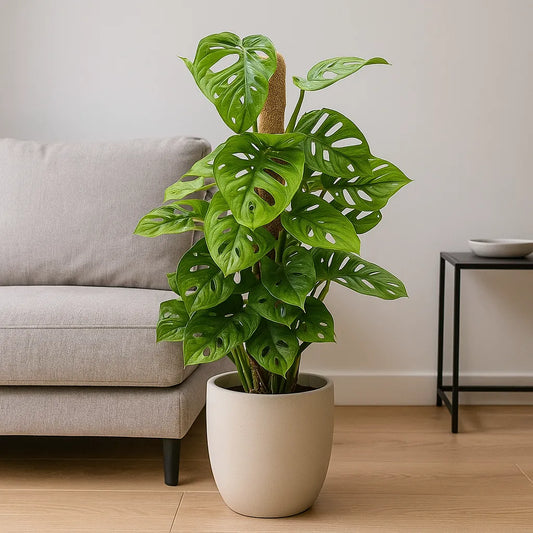







95 - 110cm Ficus Tineke 3 Stem Rubber Plant 27cm Pot House Plant
Ficus elastica ‘Tineke’ – Plant Description The Ficus elastica ‘Tineke’, often called the Variegated Rubber Plant, is a striking houseplant admired for its bold foliage and sculptural form. Originating from tropical regions of South and South-East Asia, this plant belongs...
- £46.99
£69.99- £46.99
- Unit price
- per

Live Delivery Guarantee
At Plants for all Seasons, we stand behind the quality and vitality of every plant we deliver, which is why we proudly offer a Live Delivery Guarantee. This commitment means that we guarantee your plants will arrive at your doorstep in healthy, thriving condition. We understand the importance of receiving your plants in the best possible state, ready to enhance your space from the moment they arrive. With Plants for all Seasons's Live Delivery Guarantee, you can shop with complete peace of mind, knowing that your green investments are protected from our nursery to your doorstep.

30 Days Returns
Due to the sensitive and breakable nature of our products, it's understandable that damages may occur despite our meticulous packaging methods. If you find that your plant or pot has arrived in a less than satisfactory condition, please reach out to us at hello@plantsforallseasons.co.uk within a month of your delivery date. When contacting us, please provide your order reference, alongside a photo clearly showing the damaged item and its packaging, including the delivery label. We are committed to resolving such issues by offering a refund or a replacement, depending on the availability of the item in question.
We are unable to accept returns that are not related to damage because plants are inherently perishable and delicate. It's also worth noting that the plant you receive may slightly differ from the images displayed on our website. This variation is natural, given that each plant is unique and subject to seasonal growth changes.

Safe and Secure Delivery
At Plants for all Seasons, we recognise the critical role our courier partners play in ensuring the safe and secure delivery of your plants. We collaborate exclusively with leading courier services, renowned for their reliability and exceptional handling practices, to ensure your plants arrive in perfect condition. Our partners are carefully selected based on their commitment to timely deliveries and their proven track record in transporting delicate items with the utmost care.

Bespoke Eco Packaging
At Plants for all Seasons, our commitment to the environment extends to every aspect of our operations, especially in how we deliver your plants. We take pride in our bespoke, eco-friendly packaging, meticulously designed for the safe transport of live plants. Our innovative packaging solutions are crafted from sustainable materials, ensuring that your plants are not only secure but also that their journey from our nursery to your home treads lightly on the earth. This thoughtful approach minimises stress on the plants and reduces waste, aligning with our mission to promote a greener, more sustainable future.
Christmas Delivery
Order by Friday 19th December for pre Christmas Delivery.
Delivered within 2-3 working days
£6.99 for DHL next day service. Pay one delivery fee for any amount of plants & accessories.

 Ask Leafy.AI
Ficus elastica ‘Tineke’ – Plant Description
The Ficus elastica ‘Tineke’, often called the Variegated Rubber Plant, is a striking houseplant admired for its bold foliage and sculptural form. Originating from tropical regions of South and South-East Asia, this plant belongs to the Moraceae family and has become a popular feature in homes and offices alike.
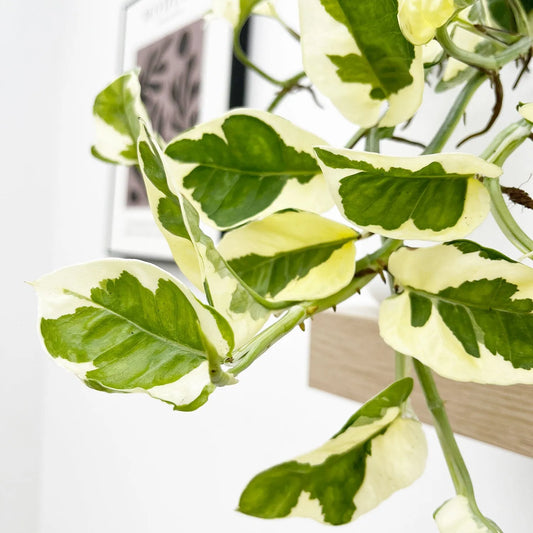
Its broad, glossy leaves can reach 20–30 cm in length and are painted with a unique mix of creamy white, soft green, and deeper forest green. Some leaves are edged in pale yellow or ivory, and new growth unfurls from a pinkish sheath that brings a touch of blush before the leaves mature. The strong, upright stems create a tree-like silhouette, making it ideal as a statement piece in modern interiors.
In the wild, the Rubber Plant can grow over 30 metres tall, forming part of the tropical forest canopy. Indoors, it stays much smaller, typically 1.5–2 metres when mature, depending on the size of its container and the conditions provided. Its dramatic foliage and air-purifying qualities make it both decorative and functional, a perfect choice for those seeking a low-maintenance yet eye-catching plant.
Ficus elastica ‘Tineke’ – Care Guide
Light
Thrives in bright, indirect light. The variegation requires more light than green-leaved Ficus varieties to maintain its creamy patterns. It can adapt to medium light but may lose vibrancy. Direct sun for long periods may scorch the pale sections of the leaves.
Watering
Water when the top 2–5 cm of soil feels dry. In spring and summer, this may be every 7–10 days; in autumn and winter, reduce to every 2–3 weeks. Drooping leaves suggest thirst, while yellowing or brown spots often indicate too much water.
Temperature and Humidity
Ideal temperatures are between 18–26°C. Keep away from draughts and avoid sudden changes in temperature. Normal indoor humidity is usually fine, but the plant will benefit from occasional misting or a pebble tray in dry environments.
Soil and Potting
Use a free-draining potting mix, such as peat-free compost blended with perlite or orchid bark. Repot every 1–2 years in spring if the roots are crowded, moving up just one pot size at a time.
Feeding
Apply a balanced liquid houseplant fertiliser once every 3–4 weeks during the growing season (spring through early autumn). Stop feeding during the winter.
Pruning and Shaping
Trim back leggy growth in spring or summer to encourage bushiness. Always use sharp, clean tools and wear gloves, as the plant produces a white latex sap that can irritate skin.
Growth and Maturity
Indoors, it is unlikely to flower but will continue to develop into an upright, elegant specimen. Rotate the pot every few weeks to ensure even growth.
Common Issues
-
Leaf drop: often caused by sudden changes in light, temperature, or watering habits.
-
Brown edges: usually linked to low humidity or inconsistent watering.
-
Pests: may attract mealybugs, scale, or spider mites. Wipe leaves regularly to remove dust and check for pests.
Background and Benefits
Like other Ficus species, ‘Tineke’ is valued as an air-purifying plant, helping to filter toxins such as formaldehyde from indoor air. Historically, Ficus elastica was tapped for latex, though commercial rubber now comes from another species. Today, it is mainly celebrated as a symbol of prosperity and resilience, adding both beauty and life to interior spaces.
✅ Quick Care Summary
-
Light: Bright, indirect
-
Water: When topsoil is dry
-
Temperature: 18–26°C, stable conditions
-
Soil: Free-draining compost mix
-
Feed: Monthly in spring/summer
-
Toxicity: Toxic to pets if eaten
At Plants for all Seasons, we take pride in our eco-friendly approach to packaging. Our custom-made plant boxes are designed with both the environment and your plants' wellbeing in mind. Here’s what makes our packaging special:
Upright and Fresh: Our innovative design ensures that your plants remain upright and fresh during transit. Specially engineered compartments and supports within the box prevent movement and damage, so your plants arrive in perfect condition.
100% Recyclable: Our plant boxes are fully recyclable, ensuring that after they have served their purpose, they can be responsibly disposed of without harming the planet.
Made from Recycled Materials: Sustainability is at the core of our values. That’s why our packaging is crafted from recycled materials, reducing waste and promoting a circular economy.
Winter Shipping: We offer additional heat packs in winter to keep your plants nice and warm on their travels. Add one heat pack per plant when checking out in winter months.
By choosing our products, you are not only enhancing your home with beautiful plants but also contributing to a greener, more sustainable future
Check out our YouTube video to see exactly how we pack for safe delivery.
Upright and Fresh: Our innovative design ensures that your plants remain upright and fresh during transit. Specially engineered compartments and supports within the box prevent movement and damage, so your plants arrive in perfect condition.
100% Recyclable: Our plant boxes are fully recyclable, ensuring that after they have served their purpose, they can be responsibly disposed of without harming the planet.
Made from Recycled Materials: Sustainability is at the core of our values. That’s why our packaging is crafted from recycled materials, reducing waste and promoting a circular economy.
Winter Shipping: We offer additional heat packs in winter to keep your plants nice and warm on their travels. Add one heat pack per plant when checking out in winter months.
By choosing our products, you are not only enhancing your home with beautiful plants but also contributing to a greener, more sustainable future
Check out our YouTube video to see exactly how we pack for safe delivery.
Tropical Glasshouse Nursery: Our plants are nurtured in our tropical glasshouse nursery located in Lincolnshire, where we maintain an average temperature of 16°C. We do not use cold warehouses, ensuring optimal conditions for plant health.
Plastic Nursery Pots: All our plants are supplied in practical plastic nursery pots. If you prefer a more decorative option, we offer a range of stylish pots available for purchase separately.
Non-Consumable: Please note that our plants are intended for ornamental purposes only unless specifically stated as edible. Ensure you check product descriptions carefully if you are looking for edible varieties.
Variable Heights: The height of our plants can vary by approximately +/- 10%. This natural fluctuation ensures you receive a unique and healthy specimen.
Plant Pot Sizes: Pot sizes may vary by approximately +/- 1cm. To ensure a proper fit, we recommend selecting a decorative pot that is 1-2cm larger than the stated plant pot size. For instance, if you purchase a plant in a 17cm pot, a 18 - 19cm decorative pot would be ideal.
Quarantining: All our houseplants are regularly sprayed with a preventative systemic bug treatment. We do our best to ensure a bug free growing environment however sometimes these can unfortunately be missed, as such we always recommend quarantining plants when they first enter your home and checking them upon arrival for bugs.
Plastic Nursery Pots: All our plants are supplied in practical plastic nursery pots. If you prefer a more decorative option, we offer a range of stylish pots available for purchase separately.
Non-Consumable: Please note that our plants are intended for ornamental purposes only unless specifically stated as edible. Ensure you check product descriptions carefully if you are looking for edible varieties.
Variable Heights: The height of our plants can vary by approximately +/- 10%. This natural fluctuation ensures you receive a unique and healthy specimen.
Plant Pot Sizes: Pot sizes may vary by approximately +/- 1cm. To ensure a proper fit, we recommend selecting a decorative pot that is 1-2cm larger than the stated plant pot size. For instance, if you purchase a plant in a 17cm pot, a 18 - 19cm decorative pot would be ideal.
Quarantining: All our houseplants are regularly sprayed with a preventative systemic bug treatment. We do our best to ensure a bug free growing environment however sometimes these can unfortunately be missed, as such we always recommend quarantining plants when they first enter your home and checking them upon arrival for bugs.
New In Stock
View all New In Stock- Choosing a selection results in a full page refresh.